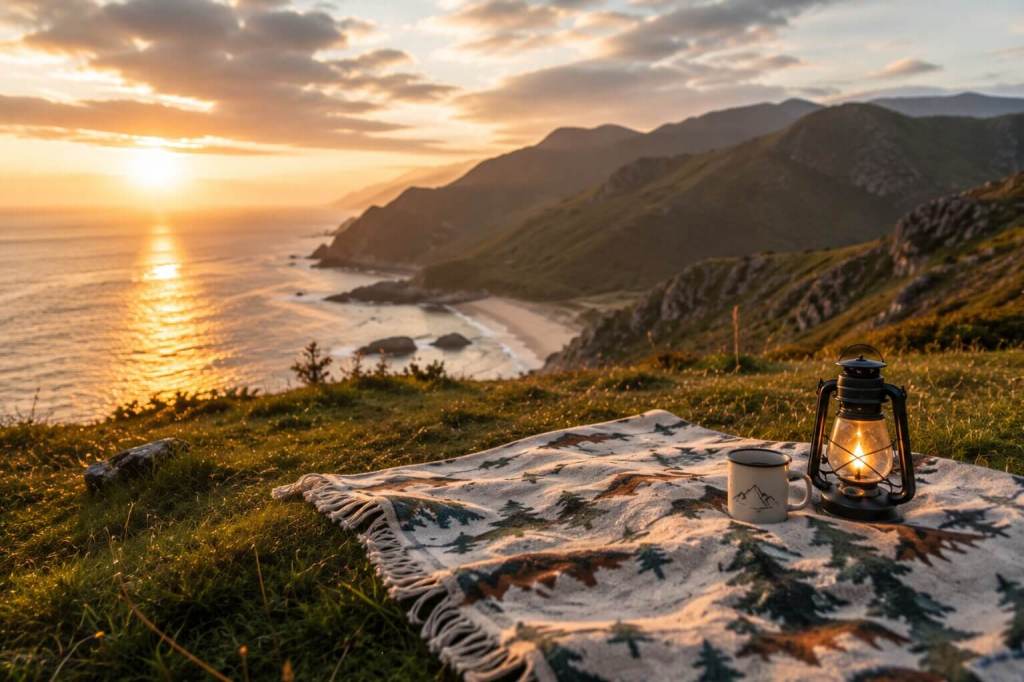
There is something magical about falling asleep under the stars, waking to birdsong, and being surrounded by nature with no campsite fences or crowded pitches in sight. Wild camping has become increasingly popular across the UK, offering adventure seekers a chance to disconnect from busy everyday life and reconnect with the outdoors.
But what exactly is wild camping, and is it legal in the UK?
What Is Wild Camping?
Wild camping simply means camping outside of an official campsite. Instead of booking a pitch with facilities, wild campers choose remote locations such as mountains, forests, beaches, or moorland to spend the night.
For many people, wild camping is about simplicity and freedom. It often involves carrying lightweight gear, setting up camp late in the evening, and leaving early the next morning with no trace left behind.
Wild camping allows you to experience nature in its purest form and enjoy some of the UK’s most beautiful landscapes away from busy tourist spots.
Is Wild Camping Legal in the UK?
Wild camping laws vary across the UK.
Scotland
Scotland is the most welcoming part of the UK for wild camping. Thanks to the Scottish Outdoor Access Code, responsible wild camping is generally allowed on most unenclosed land.
Campers are expected to:
- Leave no trace
- Camp in small numbers
- Stay only a short time
- Respect nature and local communities
The Scottish Highlands are especially popular for wild camping adventures.
England and Wales
In most parts of England and Wales, wild camping is technically not legal without the landowner’s permission. However, in remote areas it is often tolerated if campers are respectful, discreet, and follow responsible camping practices.
Dartmoor National Park is one of the few places in England where some forms of backpack camping are permitted in certain areas.
Northern Ireland
Wild camping is generally not permitted without permission from the landowner, although some remote areas may allow it informally.
Responsible Wild Camping
Wild camping comes with responsibility. Protecting the countryside is essential to keeping these beautiful places accessible for future generations.
Here are some important guidelines:
- Leave no litter behind
- Avoid lighting fires
- Respect wildlife and livestock
- Camp away from roads and buildings
- Arrive late and leave early
- Keep noise to a minimum
The golden rule is simple: leave the area exactly as you found it.
What Do You Need for Wild Camping?
Wild camping is usually about travelling light and keeping things simple. Essentials often include:
- A lightweight tent
- Sleeping bag and mat
- Waterproof clothing
- Portable stove
- Food and water
- Head torch
- Warm blankets for colder nights
Comfort can make all the difference after a long day outdoors, especially during chilly evenings in the British countryside.
Why People Love Wild Camping
Wild camping offers a sense of freedom that traditional campsites often cannot match. It allows you to slow down, switch off from technology, and fully appreciate the natural world.
Whether it is watching the sunset over the mountains, waking beside a peaceful lake, or enjoying a quiet evening beside your campervan, wild camping creates memorable experiences that stay with you for years.
For many outdoor lovers, it is not just about camping, it is about adventure, simplicity, and feeling connected to nature.
Learn More About Wild Camping in the UK
If you want to explore wild camping in more depth, it’s important to rely on trusted guidance that explains both the rules and the responsible approach to being outdoors.
- For official advice on responsible access to the countryside in Scotland, including where wild camping is permitted and how to follow best practice, see the Scottish Outdoor Access Code.
- The Camping and Caravanning Club provides helpful guidance on camping etiquette, safety, and staying responsibly in the UK countryside.
- For wider information on national parks, access land, and outdoor recreation across the UK, visit National Parks UK.
- In England, Dartmoor National Park is one of the few places where wild camping has traditionally been permitted in certain areas, although rules can change and should always be checked before visiting. Dartmoor National Park
Dartmoor National Park - The Ramblers provide clear information on public rights of way, access land, and countryside walking rights across England and Wales.
- For a modern way to experience wild camping more accessibly and responsibly, CampWild UK connects campers with private land and wild-style camping spots across the UK, helping people enjoy nature while supporting landowners and conservation efforts.
Keep up-to-date with camping tips and advice. Subscribe to the newsletter below:
 Vintage Camping Blankets UK | Collette Costello | Made in Manchester
Leave a comment