Category: Fashion Articles

  • My Story: How I Started a Fashion Company

    My Story: How I Started a Fashion Company

    As a girl growing up the big dream was to be a fashion designer, with my own fashion company. One day armed with my lap-top and sketch-book I made the first step. This is my story of how I grew my fashion company into a successful vintage brand, during the early 2000’s, during the dot.com boom.

    It took just two years of hard work and I had done it. I had my own business premises on Salford Quays, a great on-line shop, a team of interns working with me. I had my designs made in Manchester factories. They were selling in boutiques across the U.K, I was even making sales on-line as far as Europe, Russia and even the U.S.A.

    My collections were sold on my web-site and in shops around the U.K. Stockist included Junk shop Manchester, Athena Boutique Edinburgh and ASOS Marketplace. The company was being featured by newspapers, magazines, on-line blogs. One of the high-lights was being asked to feature in an advertisement. For the famous brand “Kenco Coffee”. They wanted me, to be seen drinking it!

    So this how I did it, started my own vintage fashion company. Including any pitfalls I faced along the way.

    Company Vision Collette Costello

    My company was born in my home town Salford a City next to Manchester. Salford has produced many talented people and is now the home of the BBC.

    I was inspired to start the company back in 2008 the time of the dot.com boom, the world then was changing fast. The towns, cities that my Grandparents lived in, existed now only in photos. Even my own childhood was becoming a thing of the past. I wanted a way to capture all these stories before they disappeared. So I designed my first fabric collection, “Victorian Britain”. It captured the stories told my Grandmother, about growing up in inner city Salford. A world before TV, phones, the internet, a world of poverty, yet full of charm.

    Ethical Manchester Fashion Company

    Inspired by old fashioned values, I wanted my fabrics to be reused, remade and kept as family air looms. My fabrics were printed with love in the U.K, using eco-friendly inks. The fabrics are designed to be cherished for a life-time, creating less waste for landfill.

    I have always struggled to exist in the world of fashion and textiles, as it is so unethical. So I committed myself to producing only fabric and fashion ethically made. My product range included the dresses produced in a U.K factory, along with handbags and purses that were made on site in-house with vintage style clasp fastenings. The bag featured is my favourite and I still use mine today.

    My Story:

    To start any company you need money. I won two grants £1500 from the Princes Trust Enterprise. And £2000 in the Salford Business start-up awards. I have never been in debt, so was very hesitant to take a business loan. These loans seem to be offered a lot when you are starting out. It took about six months in total get the grants.

    I had to go to loads of meetings about setting-up a business. Most of them were about paying tax, calculating V.A.T and insurance. I was not allowed to actually own any of the money, it had to be paid directly to the suppliers.

    Business Premises

    I had a business premises for my fashion e-commerce business, based at Waterside business park, Salford Quays. Fashion samples were made on site and the web-site managed from here. Fashion interns worked with me sometimes in the office. I also taught a number of very popular dressmaking courses from this studio.

    Fashion Industry

    I was at the stage now where I had designed my fashion collections. I had the money and now it was time to find a factory to make the fabric and clothes. Using the grants I invested in stock, which was a collection of 65 digitally printed dresses. Most factories will only do minimum orders, 50 dresses costed well over a thousand pound to have made.

    Dealing with factories is risky. I had the fabric for the dresses printed in my own design using the grant from the Princes Trust. The fabric was printed by Digitex in Trafford Park, they printed it with a fault so it could not be used.  Digitex refused to reprint it and there was nothing I could do, new designer no money why would they care.

    Another factory I dealt with took some of the fabric for my dresses. They suddenly stopped answering their phone, so I could not get hold of them. Luckily no other money had been paid. Eventually I had the fabric reprinted by another printers. I found a factory that did make the dresses. I lost £1500 in cash from the grants due to being ripped off by untrustworthy factories, so always be careful.

    As the company grew, vintage became bigger, the latest trend and more in demand. I was often approached by customer wanting vintage style dresses for special events. Such as proms, weddings and posh dos! This inspired my later 1950’s Prom Collection.

    Fashion Photo-shoot

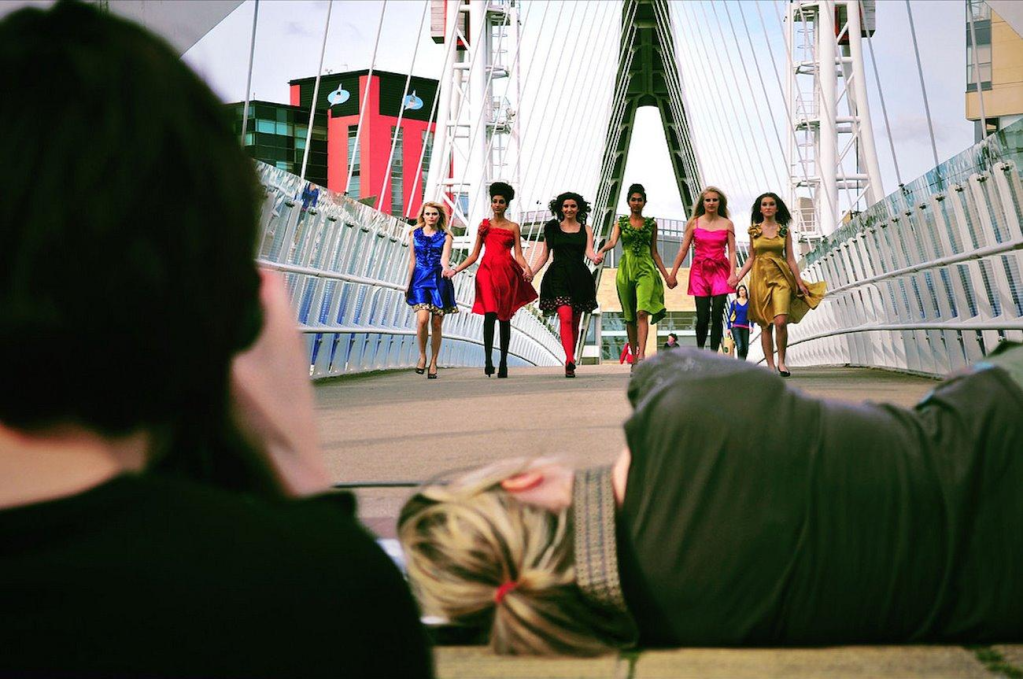
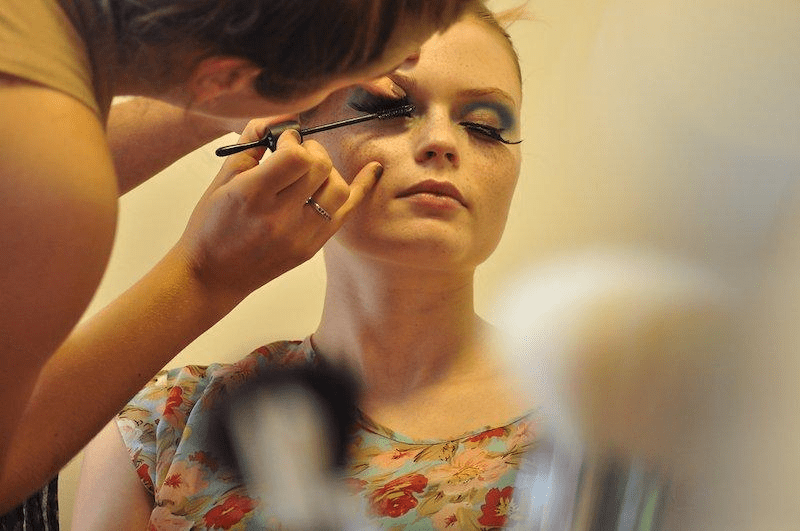
    To get some great photographs of my fashion collections for the web-site. I worked with photographers including Emma Phillipson. Organising a shoot around Media City and Salford Quays. There were many people involved, with eight models taking part. Along with a team of hair and make-up artists.

    Working with other people was a great way to tap into the skills of others. When organising photo-shoots I needed models, MUA’s and Photographers. Often I would advertise on sites such as Gum Tree and look for talent on networking web-sites such as New Faces. Usually we would work on a skills swap bases. Everyone working together for the same outcome. Excellent images to use to promote ourselves.

    Fashion Marketing

    My fashion e-commerce web-site was commissioned when I moved to the studio. To sell and promote the new range of vintage style purses, handbags, dresses and skirts. My fashion collections were all designed in-house. Customers buying through the site were from across the U.K and worldwide. Gaining exposure for the company was a priority and was done all on-line.

    Using social networking sites, such as Facebook, Twitter, Meet-up and Eventbrite. I worked with a team of guest bloggers that wrote interesting fashion articles. To add original content to the web-site. I also spent a longtime building up internal and external links with other web-sites. The result was the web-site ranks on the front page of Google for Manchester Fashion.

    I had journalists regularly contacting me for more opportunities. I was even asked to appear on TV a channel 4 programme and did appear on BBC radio Manchester. Press coverage gained for the company included features by BBC on-line. The Guardian on-line, Red and Elle Magazine. The Manchester Evening News along with numerous other publications. PR companies would invite me to special events. I attended Manchester Fashion Awards, a clothes swapping event with Louis Redknapp. And was asked to judge fashion catwalk shows.

    Networking on-line is great and I complimented this with holding events. Including a launch party, “Salford Has Talent” at Mojo in The Rum Room. I invited press to the launch event. Salford On-line came to film and vintage blogger Old-fashioned Sue attended. Creating a real buzz around the event. I also held fashion meet-ups at Sugar Junction in the northern quarter.

    Fashion Shows

    My first ever fashion show was Leeds Fashion Show 2008, “Dress Me Beautiful”. My designers were inspired by 1920s vintage fashion. I hand-painted all the fabrics used in the outfits. They were bright, colourful and quirky. I was specially selected from other fashion applicants to take part.

    On the night of the “Dress Me Beautiful” show, I arrived at the venue. Where I was greeted by my group of models. Hair and make-up was arranged and the models were dressed. It was very chaotic, as the models were shared by all the designers. As soon as the models had done one catwalk show, they were being dressed for the next. The feeling of seeing my designs on the catwalk was amazing. Collette Costello, was now a real fashion designer!

    There were professional photographers taking pictures. Journalists from magazines interviewing the designers. It was so exciting and I was hooked on the world of fashion. I went on to show my work at “Manchester Fashion Network” events and was short listed for the “Manchester Fashion Awards 2010”. Where the awards were presented by “Wayne and Geraldine Hemingway”.

    Yet sadly in the end I was unable to compete with the rise in fast fashion. Unwilling to buy into unsustainable, mass produced fashion I closed the company and returned to teaching.

    Since the early days of starting my own fashion company I have worked on many other projects. In 2024 the company was relaunched as Sew Sub Club. Encouraging people to learn to sew by providing online courses and pre-cut kits. Working towards a more sustainable future for fashion.

    If you enjoyed this article subscribe below for more:
  • How to Organise a Fashion Show

    How to Organise a Fashion Show

    Organising a vintage fashion catwalk show is exciting along with its own challenges. I have organised many fashion shows to show my designs. When I worked as a fashion lecturer I would also organise show every year to show the students work. Below are my top tips:

    What you will need:

    • A Venue
    • Models
    • Designers
    • Catwalk
    • Music
    • Make-up Artists
    • Promotional Material

    Organise a Fashion Show

    • Fashion shows are a great way for designers to gain exposure. For models to get experience and for events organisers to add to their CV.
    • Organising a fashion show can be great fun. It is a brilliant way to meet people and get involved in the local community. It takes a person with a professional approach, excellent organisation. Good social skills to pull off a successful fashion show.
    • If you have never organised a fashion show read my tips below and give it a go. Enthusiasm counts for a lot and you may unlock hidden talents.

    You will need Fashion Models, Photographers….

    • Create a buzz around your fashion show by getting fashion minded people involved. Advertise on social media. Post adverts looking for models and photographers. Make-up artists, designers, front of house and backstage helpers.
    • Organise a fashion show recruitment meeting. Where you can meet anyone interested in getting involved and swap ideas. You will need to set a firm deadline for the show. Present recruits with a list of meetings, any rehearsals at the earliest opportunity.
    • Once you have the right people, with the right skills on board you can really start planning. Make sure everyone involved is given a role. That they are fully briefed on their responsibilities.

    Marketing your Fashion Show

    • Advertise your fashion show in as many places as possible. Use online networking social platforms and local advertising to advertise your event. You are more likely to get people from your surrounding community coming.
    • Approach your local press, ask them to do an article about the fashion show. Print or make posters and flyers. Distribute them in colleges, community centres and nightspots. Finally do not forget good old word of mouth. The more people that are involved in the show the quicker the word spreads and the more tickets you will sell.
    • Negotiate a free venue by offering a percentage of ticket sales. Or by guaranteeing numbers attending for money behind the bar. Offer incentives for people and businesses to get involved free of charge. Offer free advertising space in promotional material. This can be used as exchange for their time, items for the raffles, goodies bags or sponsorship deals.
    • Sell tickets in advance for the show. Include extras such as goodies bags or reduce prices to increase early bird sales.
    • Ask individuals or businesses for sponsorship. Offer different level sponsorship packages. For example £20.00 sponsorship includes advert in programme. £40 pound includes advert in programme and advert on posters.
    • Any profit made is at your discretion, a better idea is to donate it to a local charity. People will work harder and be more generous if they know any money raised is going to a good cause.

    Planning a Fashion Catwalk Show

    • Before the big night have full walk through, dress rehearsal. Planning every second of the show is a must, timing is key to all running smoothly on the night. The fashion show will need to be broken down into scenes. A scene is maybe a designers collection or a break for refreshments.
    • Produce a detailed line-up for the fashion show. Consider in what order are the designers scenes going to be. Which models have they been allocated and how many clothes as being shown per scene. Ask will the models have enough time to change garments. Too give time for clothes changes, breaks for refreshments. Guest speaker can be slotted in between designers collections.
    • Remember models, stylists and designers need to arrive early at least an hour before the show. They will need time to get organised for example getting models hair and make-up ready.
    • Front of house staff will be needed to work on the door. Checking tickets, showing guests to seat, distributing programmes and answering any questions. You will need to nominate a stage manager to control the music and lighting. They will need a good view of the catwalk and have all equipment necessary.

    The Night of the Fashion Show

    • It’s show time, lights, cameras and models at the ready. Get your show rocking with up-beat music. An enthusiastic introduction from the fashion show host.
    • To create a real buzz invite local journalist, influencers and photographers. Give them prime position at the end of the catwalk. Cameras flashing as models pose and strut will create a real catwalk atmosphere. Add an extra dimension to your fashion show, include a charity auction and guest speakers. This will keep the audience interested between scenes and encourages audience participation.
    • Why not have a X factor style panel made up of local celebrities. Make it their job to judge the designers work and select a winning collection.
    • In true catwalk style. End the show with designers and models on stage to receive their applause from the audience. Remember to thank all involved, from the make-up artists to the ticket collectors on the door.
    • The buzz on the night is a really great feeling, the more you plan in advance the more you will enjoy the show. Good luck!

    Top Tip: Use the vintage fashion catwalk show to build your own personal brand. Use photos from the event to promote yourself once it’s over.  

    Subscribe below for more posts from Collette Costello

  • How to Organise a Vintage Fashion Photoshoot

    How to Organise a Vintage Fashion Photoshoot

    The Media City Salford Quays Photo-shoot, was the largest photo-shoot I organised. When I started my fashion company Collette Costello. To promote my range of vintage fabrics and fashion. Photographs from the shoot were featured by many press publications. Including The GuardianRed Online and ASOS Marketplace. This blog post is a guide to how I pulled off a successful fashion photo-shoot, with some hints and tips.

    Collette Costello Fashion Technology

    You will need:

    • Mood-board/ Shoot Plan
    • Photographers
    • Hair/ Make-up Artists
    • Models
    • Clothes/ Accessories

    Mood-board/ Shoot Plan

    To help with planning make a photo-shoot ideas boards, it can also be called a mood, style-board or a shoot plan. Include examples of other photo-shoots that you like. Examples of hair, make-up, jewellery, location and model. You can show this to your photo-shoot team so they know how to style your shoot, the look you are going for.

    Clothes/ Accessories

    As a designer I started by making the collection of clothes that I wanted photographing. If you are looking to just style a shoot, sometime shops will lone you clothes to use. Or you could offer to style and do photographs for a up and coming designer. Once you have the wardrobe, you need to plan a look around the garments. This mean planning accessories, everything from shoes to tights and jewellery. I asked models to bring accessories with them. It can cost a small fortune to provide everything little item. Instead you could ask to borrow accessories from designers and shops.

    Location

    I have done indoor photo-shoots and a lot of equipment like special lights are needed. To make the photographs look good it can be difficult, even with a special camera. In the past I have hired a photography studio. You need someone who can use the equipment and you maybe only have an hour to get a great shot, so this do not always work. I find the best place to get good photographs, is outside at a great location, with great buildings. Which is why I choose Salford Quays, as my photo-shoot location. When we started taking photographs at Media City the home of the BBC. We were told we need special permission. That we were not aloud to take photographs outside the BBC studios, so always check.

    Models

    I got my models from a web-site where up and coming models are looking to build their portfolio. They will often work for free in exchange for portfolio photographs. I used web-site such as Star Now, my Models included Kelly Jay Warman and You Tuber Hannah Renne. Social media apps are also great to connect with other industry professionals. Look on Instagram, Facebook and Tiktok. Remember to make sure your model matches your style of clothes, do they have the hair, skin tone you are looking for! The same applies when looking for MUAs and Hairdressers. I found recent graduates who again would work for free in exchange for portfolio images. New models can be awkward and unsure how to pose, so this can be the down side. Make sure you have poses sorted before the shoot with them.

    Photographers

    I had two excellent photographer working on my photo-shoot. Lorna Roberts and Emma Phillipson. This worked really well, I had loads of images to choose from. A third photographer David Dunkerley, shoot behind the scenes photos. Without the photographer the shoot can not go ahead, so it was good to book two and have a back up. Be careful when working with photographers, they very often will not exchange skills. In the past I have had photographers approach me offering to shoot my collection. Then at the last minute asking for me to pay for the full rent on a location for shoot. telling me as a designer this was my responsibility, as the model and they were working for free. Make sure you value your own skills. Designing clothes is as difficult and takes as much as skill as everyone else. Check the photographers work out before working with them. You can waste a full day on a shoot with a photographer that will never send the images or they are bad.

    After the Shoot

    All the hard work is done, you have great images so get them out there. Magazines, bloggers, influencers want good images. So send them over and see if they will feature your company. ASOS marketplace put my company on the front page of their web-site. As the photo-shoot images were so good, this lead to a lot of interest and sales.

    Top Tip: A successful photo-shoot is all about organisation. Be supportive, polite to people working with you. Models, photographers will want to work with you again if they think you are professional. 

    For more posts subscribe below:

  • How to Sell at Vintage Fashion Fairs

    How to Sell at Vintage Fashion Fairs

    How to Sell at Vintage Fashion Fairs

    I did my first ever local vintage fair at the age of just 21, with a hand-painted sign and homemade aprons.  This is where I kick started my business career with a home based business. Selling vintage fashion, gifts that I had made myself.  

    Vintage, craft, local markets are a good place to start selling. Unlike the risk of owning a shop. you can hire a stall for the weekend. Test which of your products are more popular with customers.

    Unlike on the internet, usually if you get your stock in front of people they are more likely to buy. A market is a great place to test which designs will sell, at what price and to get your brand out there.

    I have taken part in quite a few vintage fashion market. Including “The Vintage Village” Manchester. On average I would sell £250+ per day and that was over 10 years ago. So here are my top tips:

    • Stall Position – Experienced craft fair stall holders. Will make sure they have a good position. Facing outwards and near the front.
    • Stall Layout – Full, busy market stalls attract attention. Give customers a chance to rummage and spend time there.
    • Customers – People looking at your stall will attract more customers. An empty stall can be intimidating, so try standing round the front tidying stock when its quiet.
    • Look Busy – Stall holders watching puts off customers. Simply say hello to be friendly and busy yourself with sorting fashion stock.
    • Display Brand – Your stall is a great advertising opportunity. Display your brand name and social media links clearly to customers.
    • Clear Prices – Have really big clear prices. Customers often won’t bother asking the price, if they are on display it will encourage a sale.
    • Expensive & Cheap – As a rule items under £10 sell best. Combine your cheaper items with a few more expensive ones.
    • Add Sale Labels – Add labels like today only price. Two for one and sample sale, to your fashion items to encourage customers to buy now.
    • Reduce Prices – During the day reduce prices if not selling. Make it clear to customers you have done this, better to go home with a profit than loads of stock.
    • Gifts Items – Customers at vintage markets are usually buying gifts. So offer personalised items for friends and family.
    • Refuse to Pay Organisers – If you feel the market was a waste of time. No customers, no sales. Refuse to pay the organisers as you are paying them to promote the event, bring in customers.
    • Sell Handbags & Purses – Fill your vintage fashion market stall with items that don’t need trying on. Reducing issues with fit and changing rooms.
    • Don’t Sell Shoes – Shoes you need to have available in all different sizes and they can take up loads of room on your stall.

    Fashion has reputation for being a hard, risky business to succeed. Always be carefully before spending any money. I hope my experiences help you in some way, however you may find what did not work for me, will work for you. So please let me know about about your experiences.