Author: Collette Costello

  • Online sewing Courses UK

    You can now learn to sew online from the comfort of your own home. There are many online sewing courses available in the UK, for beginners to confident sewers.

    What is the best website to learn to sew?

    We highly recommend Sewing for Success courses for anyone that wants to learn to sew online.

    The Sewing for Success sewing courses are the best as they include all materials pre cut and delivered to your home. So you can start sewing immediately, using the online sewing tutorials.

    Top 10 Online Sewing Courses UK

    Online sewing courses UK for beginners. There are many online sewing classes in the UK, below are the top 10 sewing courses:

    Can sewing be Learnt online?

    Yes, sewing can be learnt online with Sewing for Success. These beginners sewing courses have been especially designed by a qualified fashion lecturer.

    The pre cut Sewing for Success sewing subscription boxes includes all the materials you will need to sew along to the online video tutorials.

    Are sewing lessons worth it?

    Learning to sew your own clothes is more sustainable, ethical and creates less waste.

    It is worth having sewing lessons from Sewing for Success, where you will get help learning how to sew including top sewing tips. Such as how to use a sew machine and what to do when your machine won’t sew.

    If you enjoyed this post subscribe below:

  • How to Thread a Sewing Machine Beginners

    Is Your Sewing Machine Thread Correctly? Handy Checklist

    Do the following checks before sewing, to ensure your machine is threaded properly and ready to start sewing:

    • Top thread between tension wheels.
    • Tension is set to approx 3 – 4.
    • Thread is tightly wound on spool/bobbin.

    How to Thread up Sewing Machine

    Domestic machines are usually threaded in a similar way. If you don’t thread your machine correctly, your threads may snap and become tangled in the machine.

    • When the top thread is threaded correctly, it is in the shape of the letter “N”.
    • Place bobbin in case so bottom thread unwinds anti-clockwise.

    Top Machine Threading Tips

    • Use top thread holding disc, to stop thread unwinding too quickly.
    • After threading machine, pull top and bottom thread out at least 10cm.

    What is Stopping my Machine Sewing?

    A sewing machine that is incorrectly threaded, can make the machine stop sewing. Use the check list below of common mistakes, to ensure your machine is threaded correctly.

    • Thread needs to be between tension wheels.
    • Cheap, thin thread will snap, change your thread.
    • Check bobbin winder is released, if your needle is not moving.

    Plastic or Metal Spool for Sewing Machine?

    Remember plastic to plastic, metal to metal!

    A spool also known as bobbin, is the small cylinder wheel that holds the bottom thread on a sewing machine.

    Which bobbin/ spool you use depends on the case, the spool is put in. Usually plastic spools drop into the top base of the machine. Metal spools are placed in a removable bobbin case, that fits in the side of the machine.

    for more sewing posts subscribe:

  • Top 10 Tips Learn to Sew On-line

    Learning to sew online is great option. It means you can learn to sew anywhere at any time from the comfort of your own home.

    If you would like to learn to sew online, check out Sewing for Success.

    To help you get the most out of learning to sew online, here are my top ten tips:

    1. Sewing kit: You will need a basic sewing kit to learn to sew online.
    2. Sewing machine: To participate in most online sewing courses, you will need a domestic sewing machine. If you don’t have an overlocker machine, you can use the zig-zag stitch on your machine to secure fabric edges.
    3. Sewing thread: For online sewing, it’s important to use good-quality thread that doesn’t snap easily. I recommend brands like Coats or Gütermann.
    4. Sewing needle: When you buy your sewing machine, it typically comes with a universal needle, usually sized 70/10 or 80/12. This needle can be used for most sewing projects, but you may need specialist needles for heavier or stretchy fabrics.
    5. Machine feet: Your sewing machine typically comes with a foot already attached and some spare feet stored in the base. The three most useful feet you’ll need are the zig-zag foot, straight foot, and zipper foot.
    6. Starting and ending sewing: After threading your machine, it’s important not to immediately place your fabric under the needle and start sewing, as this can cause your machine to jam. Double check the machine is threaded correctly before you begin sewing.
    7. Backstitching: You may have noticed a backstitch button on your sewing machine that allows you to stitch backwards. Use this to secure stress seams, such as at the top of pockets and the ends of cuffs.
    8. Seam Guide: Use a seam guide to help keep your sewing straight. If you’re unsure how to attach a seam guide to your sewing machine, refer to your machine’s manual for instructions.
    9. Dressmaking pins: Before stitching the fabric together, make sure to pin it securely. When inserting the pins, place them sideways relative to the stitching line so you can sew over them. However, it’s best practice to remove the pins as you sew, as they can damage your sewing machine.
    10. Use snips: As a beginner in sewing, you might notice that your stitching doesn’t always turn out as planned, which means you may need to unpick it. Here’s a quick tip: when unpicking threads and stitching, you can use snips, small scissors, or a quick un-picker. Yet I find that snips work best for this task.

    If you enjoyed this post subscribe for more:

  • Top 10 Easy Sewing Patterns for Beginners

    If you’re new to sewing, the prospect of choosing your first project can be both exciting and overwhelming.

    Fortunately, there are plenty of easy sewing patterns available that can help you build your skills while creating something beautiful and useful.

    Here are the top 10 easy sewing patterns for beginners to get you started on your sewing journey!

    1. Tote Bag

    Why It’s Easy: Tote bags are simple to sew and require minimal materials. Plus, they’re super practical for everyday use!

    Pattern Link: Simple Tote Bag Pattern

    2. Pillowcase

    Why It’s Easy: Making a pillowcase involves straight seams and basic techniques, making it perfect for beginners.

    Pattern Link: Pillowcase Pattern

    3. Elastic Waist Skirt

    Why It’s Easy: An elastic waist skirt is forgiving and doesn’t require complex fitting. Just sew a few seams, and you’re done!

    Pattern Link: Easy Elastic Waist Skirt

    4. Simple Apron

    Why It’s Easy: Aprons are straightforward to make and great for practicing your sewing skills. Plus, they make excellent gifts!

    Pattern Link: Easy Apron Tutorial

    5. Drawstring Bag

    Why It’s Easy: A drawstring bag is a quick project that teaches you basic sewing techniques while being fun and functional.

    Pattern Link: Drawstring Bag Pattern

    6. Simple Headband

    Why It’s Easy: A headband is a quick and easy project that only requires a small amount of fabric and minimal sewing.

    Pattern Link: Simple Headband Tutorial

    7. Bean Bags

    Why It’s Easy: Bean bags are a fun way to practice sewing straight lines, and they’re perfect for kids’ playtime.

    Pattern Link: DIY Bean Bags

    8. Sewing Machine Cover

    Why It’s Easy: A sewing machine cover is a practical project that helps you protect your machine while allowing you to express your style.

    Pattern Link: Sewing Machine Cover Pattern

    9. Coasters

    Why It’s Easy: Coasters are a quick and satisfying project that allows you to practice sewing curves and straight lines.

    Pattern Link: Easy Coaster Tutorial

    10. Fleece Blanket

    Why It’s Easy: A fleece blanket is one of the simplest sewing projects, requiring just cutting and sewing straight edges. Perfect for practicing your skills!

    Pattern Link: Easy Fleece Blanket Tutorial

    These ten easy sewing patterns are perfect for beginners looking to enhance their skills and create beautiful projects. Whether you want to make something for yourself or a thoughtful gift, each pattern provides a fun and rewarding experience.

    So grab your fabric, thread, and sewing machine, and let your creativity flow!

    If you enjoyed this post subscribe below for more:

  • Top 8 Where to Buy Sewing Patterns Free PDFs

    Sewing pattern are used to make everything from clothes, to bags and cushions.

    In the past sewing paper patterns were sold in sewing shops and they could cost more than the fabric to make the item. The internet has changed this and now sewing pattern are available in many styles and can be downloaded as PDFs to print at home, often for free.

    Where to Buy Sewing Patterns

    If you are looking for sewing pattern brands that sell a wide range of styles, check out the brands below. They have sewing patterns for everything including womenswear, menswear and children’s clothes.

    • Vogue
    • Butterick 
    • McCalls
    • Simplicity

    These brands have been around along-time, often their patterns are based on vintage measurement first taken in the 1950s. So you may have to size-up when making clothes as the sizes are often small.

    You can buy these sewing pattern brands at the following online sewing stores:

    New Sewing Pattern by Independent Designers

    The shape of modern women’s bodies are different now. There are some new great independent sewing pattern designers, that design patterns to fit the modern women. See top independent pattern brands below:

    Where to get Free Sewing Patterns PDFs?

    If you are beginner and looking for sewing patterns to practise sewing handbags and fashion accessories. There are many great free sewing pattern PDFs on the internet to print at home. Pinterest is a great place to start, then try the sewing website below for more free patterns.

    Did you enjoy this post?

    For more sewing posts subscribe below:

  • Top 10 Where to Buy Sewing Fabric UK

    Every sewing project starts with a piece of fabric. Shopping for fabric can be lots of fun, looking at all the different colours and patterns.

    Fabric comes in many different textures and weights. Some fabrics work better for dresses and others for heavier garments such as coats.

    Below are links to the best places in the UK to shop for fabric.

    Top 10 Online Fabric Shops UK

    Shopping online for fabric is where you will find the best variety and get the best bargains.

    1. Fabricland
    2. Fabrics Galore
    3. Pound a Metre
    4. My Fabrics
    5. Cheap Fabrics
    6. 1st for Fabric
    7. Dalston Fabric
    8. Liberty Fabrics
    9. Croft Mill
    10. Organic Textiles Company

    Visit Fabric Stores UK

    You may prefer to shop for your fabric in person, where to can touch and see the fabric. Below are the best physical fabric shops in UK.

    1. Abakhan (Manchester)
    2. 1st For Fabrics (Newcastle)
    3. Miller & Mckew (Liverpool)
    4. Good Fabric (Wimbledon)
    5. I Want Fabric (Manchester)
    6. Leon’s Fabric Superstore (Manchester)

    Charity shops are also a great place to buy vintage fabrics. Turn an old pair of curtains or a quilt cover into a new dress. Or you could even try designing and printing your own fabrics at Woven Monkey.

    Did you enjoy this post?

    For more sewing posts subscribe below:

  • Top 10 Online Sewing Classes UK Courses

    Online sewing classes are a great way for beginners to learn how to sew. You can learn a new skill at your own pace.

    Sewing lessons online cover everything from how to use a sewing machine. To beginners projects, where you can learn how to sew your own clothes and handbags.

    Top 10 Online Sewing Classes

    Below are the top online sewing courses in the UK and USA.

    Did you enjoy this post?

    For more sewing posts subscribe below:

  • Top 10 Sewing Kit for Beginners Dressmakers Guide

    When learning how to sew, start with just 10 essentials in your sewing kit:

    • Fabric Scissors
    • Tape Measure
    • Pin Cushion
    • Tailors Chalk
    • Dressmaking Pins
    • Paper Scissors
    • Sewing Needles
    • Sewing Threads
    • Thread Un-picker
    • Bodkin

    Sewing kit essentials

    Learn more about the sewing kit essentials and shop top-quality picks using the links below:

    • Dressmaking Scissors – Buy quality dressmaking scissors and use only to cut fabric. Scissors are easier to use than cutting wheels.
    • Snips – Use snips to unpick stitching. They may take some practice. Avoid seam rippers, as they can tear your fabric.

    Purchase the highly recommended tailoring scissors with free snips for under £20. Shop now below: Milward Dressmakers Scissors Amazon.

    • Threads – Buy quality thread that will noy snap easily, such as brands like Coats and Gutermann. They offer a wide selection of threads in different colours.

    Highly Recommended Gutermann threads starter box under £15. Shop now Value Pack Gutermann Thread Amazon.

    • Tailors Chalk – Buy simple triangular tailor’s chalk in white and one color. Other options include chalk pencils, which snap easily, and dissolving pens, which can take a few days to fade.
    • Tape Measure – For measuring bodies, fabrics, elastic, and other items when sewing.
    • Dressmaking/Tailoring Pins – Simple metal pins are fine. Avoid decorative pins with large heads, as they can get caught in the sewing machine.
    • Pin Cushion – For storing your pins while sewing and keeping your workspace tidy.
    • Paper Scissors – Use these to cut dressmaking patterns. Never use fabric scissors to cut paper, the paper will will blunt them.
    • Spares for Machine – Keep spare parts for your sewing machine, including extra needles and light bulbs.
    • Bodkin – A tool for pulling elastic or cord through a garment. Great for making pyjamas and drawstring bags.

    Top Tip
    Many dressmakers use rotary cutters for cutting fabric. However, they can slip easily, so fabric scissors may be better for beginners.

    Where to Buy Sewing Kits?

    Sewing kits are available in many online sewing stores including:

    For handy boxes to store your sewing kit essentials, see ’40 of the Best Sewing Kits for Beginners’ for more sewing advice.

    For more top sewing tips subscribe below:

  • Top 10 Sewing Books for Beginners

    Sewing books are perfect for beginners, who want to learn to sew but do know where to start.

    Sewing books for beginners make a perfect gift for friends and family. Yet it can be hard to know which sewing book to choose.

    Discover the top sewing books for beginners below. Many are under £15!

    This post contains Amazon affiliate links.

    1. Great British Sewing Bee Book

    2. The Sewing Book, 300 Sewing Techniques

    Perfect for beginners, this book covers 300 sewing techniques. It includes everything a beginner needs to know about sewing. Shop ‘The sewing book‘ now!

    3. Tilly and the Buttons book

    Learn to sew clothes in just one afternoon with ‘Make It Simple’. A book full of quick and easy to follow dressmaking projects for beginners. Shop ‘Make It Simple’ now!

    4. Dressmaking the Easy Guide book

    Dressmaking the Easy Guide is the perfect next step book for any beginner who wants to learn how to make their own clothes. Shop ‘Dressmaking Guide’ now!

    5. 30 Step by Step Beginners Projects

    This book Simple Machine Sewing, will help to build the skills and confidence of any beginner. Contains 30 easy to follow projects, including how to make bags, home accessories and clothes. Shop Now!

    6. Sustainable Sewing Book – Zero Waste Save Planet

    This Zero Waste book shows you how make clothes from one piece of fabric, creating no waste. Perfect for the eco-warrior in your life, shop now!

    Top 10 Best Sewing Books for Beginners

    The best sewing for beginners UK books are listed below. Included are books for complete sewing beginners to confident dressmakers. Covering everything from how to stitch basic stitches, to pattern cutting and toile making.

    Best books for learning how to use a sewing machine and basic stitches:

    These beginner-friendly books are perfect for learning how to use a sewing machine and get confident with basic stitches.

    Best books for learning dressmaking and pattern cutting:

    Want to dive into dressmaking and pattern cutting? These books are the best for learning the essentials and beyond.

    Can you learn to sew from a book?

    Yes, you can learn to sew from a book. Sewing books offer step-by-step instructions, diagrams, and tips on techniques, fabrics, and patterns. For faster progress, pair your reading with a beginner-friendly online sewing class to practice and get expert feedback.

    Where to buy sewing books U.K?

    1. Amazon: Amazon is a great place to find a wide variety of sewing books at competitive prices.
    2. Barnes & Noble: Barnes & Noble is another great option for finding sewing books. 
    3. Craftsy: Craftsy is an online retailer that specialises in craft supplies, including sewing books. They offer a wide variety of books, from beginner guides to advanced techniques. 
    4. Etsy: Etsy is a great place to find unique and handmade sewing books. You can find books by independent authors and designers, as well as vintage sewing books.

    For more top sewing tips subscribe below:

  • How to measure body for dressmaking, beginners

    When learning how to sew clothes so they fit correctly, you only need to measure the body at the three points below:

    • Chest – The widest part of the chest and bust.
    • Hips – The widest part of the lower body, around hips and bottom.
    • Waist – The thinnest part of the lower body, just below the rib cage.

    How to measure a body

    To measure a body correctly for dressmaking, watch the video and follow the top tips below:

    How to take overarm measurement

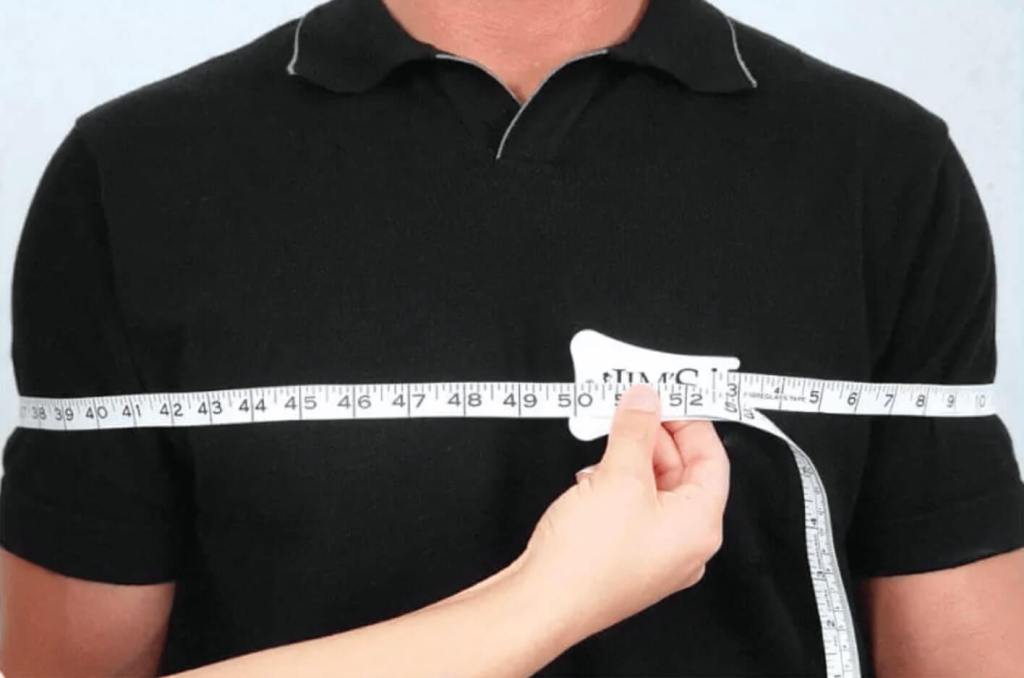
    If you are making clothes that are put on over your head, it can be useful to take an overarm measurement.

    Do this by placing the tape measure over the arms, across the chest or bust point, and taking the measurement. See image below for an example.

    Top Tips for measuring body:

    • To measure the body, use a tape measure that is neither too tight nor too loose; it should fit like fitted clothing.
    • If you are making skirts or trousers, it can be useful to measure from the waist down to where you want the hem to be.
    • Advanced tailors often take other measurements, yet as a beginner this is not necessary.

    For latest news and courses, subscribe below: