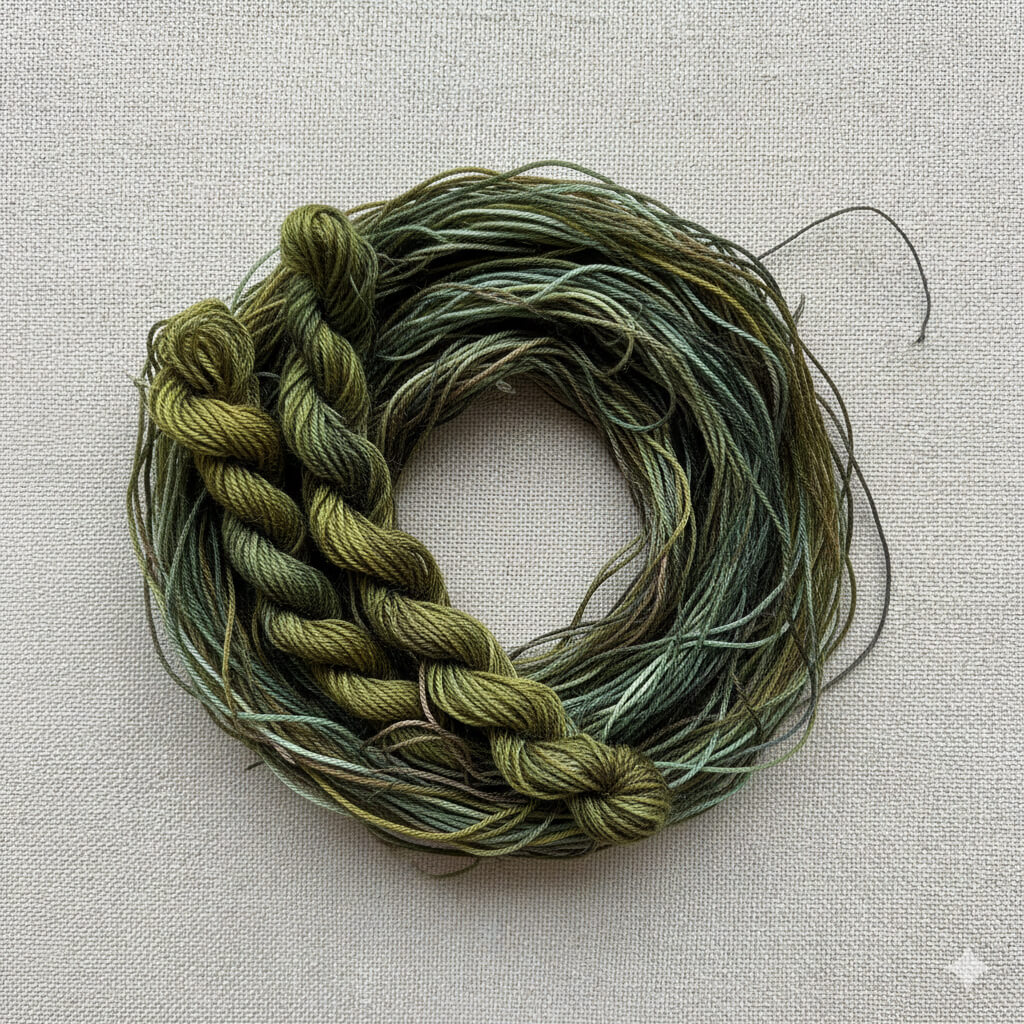
Textiles are more than materials. They carry stories, traditions, and cultural meanings. From the delicate sheen of silk to the rough resilience of denim, fabrics, beads, and textile processes have played central roles in human history, art, and daily life.
In this article, we explore 50 textiles, beads, and techniques, revealing the hidden meanings, symbolism, and cultural significance behind each one.
Fabrics and fibres
- Cotton
Historically tied to everyday domestic life and household interior items, it is a material of comfort built on endurance and repetition. - Wool
One of the oldest textile fibers central to pastoral cultures. Wool insulates even when wet, linking it to survival, protection, and bodily intelligence rather than refinement. - Silk
Associated with imperial power, secrecy, and long-distance trade (Silk Road). Its production requires controlled environments and hidden labour, tying silk to luxury sustained by discipline and extraction. - Linen
Used in ancient Egypt for burial shrouds and priestly garments. Linen’s coolness and lack of stretch connect it to purity, restraint, and moral clarity. - Hemp
Historically used for ropes, sails, and labor textiles. Its strength and resistance to decay associate it with endurance, rebellion, and utilitarian truth rather than adornment. - Cashmere
Produced from undercoat fibers, historically rare and labor-intensive. Symbolizes intimacy and privilege—softness that depends on invisibility and care. - Velvet
Long linked to royalty, clergy, and theatrical display. Its pile absorbs light, making it a fabric of excess, sensuality, and power that demands space and attention. - Denim
Originating as workwear for laborers and miners. Denim represents durability, class identity, and later rebellion through its adoption by countercultures. - Tulle
Used in veils, ballet, and ceremonial dress. Its transparency creates an illusion, suggesting innocence, transition, and bodies suspended between states. - Organza
Crisp yet sheer, often used structurally in couture. Historically, signals controlled fragility—beauty held upright through discipline. - Chiffon
Lightweight and unstable, moving with air and body. Often linked to femininity and ephemerality, resisting permanence or authority. - Leather
Made from skin through preservation and violence. Culturally tied to armour, survival, sexuality, and dominance—boundary made literal. - Fur
Historically worn as status and survival material. Fur collapses the human/animal divide, symbolising power over nature and primal inheritance. - Felt
One of the earliest non-woven textiles, used by nomadic cultures. Felt forms without hierarchy (no warp/weft), linking it to collective cohesion and compression through movement. - Burlap (jute)
Used for sacks, transport, and burial. Its roughness signifies exposure, poverty, and refusal of comfort. - Satin
Defined by surface sheen rather than fibre. Historically associated with seduction and performance, what looks smooth but hides tension beneath. - Flannel
Domestic, soft, insulating. Often linked to retreat, privacy, and emotional withdrawal from public life. - Latex/rubber textiles
Industrial, modern, restrictive. Symbolise containment, control and the body under pressure. - Plastic fabrics
Products of petrochemical modernity. Represent artificial permanence, disposability, and detachment from natural cycles. - Metal mesh
Used historically for armor and ornament. Conveys protection masquerading as exposure; strength disguised as flexibility.
Processes
- Dyeing
An irreversible act historically tied to ritual, class, and identity. To dye is to permanently mark—often regulated or sacred. - Natural dyeing
Requires time, seasonality, and ecological knowledge. Links cloth to land, ancestry, and patience. - Overdyeing
Used to cover stains or update garments. Culturally associated with erasure layered over memory rather than true removal. - Bleaching
Historically used for purification and control. Removes color but weakens fiber—purity through damage. - Tie-dye
Found across cultures as resist technique. Represents chaos bounded by intention; chance negotiated with control. - Shibori
Japanese resist dyeing rooted in restraint and repetition. Meaning emerges through binding, pressure, and delayed revelation. - Felting
Requires heat, moisture, and friction. Unity formed through force rather than alignment. - Fulling
Shrinking woven wool to strengthen it. Symbolizes consolidation through loss of flexibility. - Weaving
Central to myth (Fates, Penelope, Andean cosmology). Represents order, fate, and the construction of reality itself. - Knitting
A looped structure that can unravel completely. Historically domestic, embodying care, patience, and latent fragility. - Crochet
Built from independent loops rather than grids. Symbolizes autonomy, improvisation, and non-industrial logic. - Spinning
Precedes all cloth-making. Mythically associated with destiny, origin, and potential not yet formed. - Warping a loom
Labor-intensive preparation before weaving begins. Represents commitment made before outcome is visible. - Unweaving
A political and mythic act (Penelope). Refusal, delay, or resistance through undoing. - Fraying
Occurs at edges and stress points. Reveals structure and vulnerability simultaneously. - Burning fabric
Used in protest, ritual, and mourning. Destruction that reveals material truth (fiber content, ash). - Staining
Historically linked to shame, labour, and memory. Marks that resist cleansing. - Soaking
Passive transformation through immersion. Associated with surrender and preparation. - Drying
Stabilisation after change. The moment when transformation becomes fixed. - Pressing / ironing
Industrial and domestic discipline. Order imposed through heat and force.
Beads and surface materials
- Glass beads
Central to trade, colonization, and deception. Fragile objects that carried enormous economic power. - Seed beads
Used in devotional and ceremonial labor. Meaning accumulates through repetition and time. - Pearls
Formed through irritation within oysters. Beauty produced by defense and endurance. - Bone beads
Made from remains. Link adornment to mortality and ancestry. - Wood beads
Organic, warm, degradable. Associated with prayer, tactility, and humility. - Metal beads
Heavy and cold. Signal permanence, obligation, and weight. - Shell beads
Among the earliest currencies and ornaments. Symbolize protection, listening, and exchange. - Plastic beads
Mass-produced and accessible. Imitation without lineage; abundance without history. - Beaded embroidery
Excessive labor for surface effect. Historically feminized visibility through endurance. - Loose beads
Detached from structure. Loss, interruption, and failed containment.
From the warmth of wool to the transformative process of dyeing, every textile, bead, and technique tells a story. Understanding these materials’ cultural and historical meanings deepens our appreciation of the art, craft, and labour woven into everyday life.
Whether used in clothing, decoration, or ritual, textiles connect us to past traditions and contemporary creativity, reminding us that the threads we touch carry far more than their surface texture.
 Collette Costello
Leave a comment